
Louvre -Where History, Art, and Culture Converge
- Mika Vepsalainen
- Jun 7, 2025
- 2 min read
Join us to step into a world where centuries of French history meet the finest achievements of global civilization. The Louvre Palace began as a medieval fortress commissioned by King Philip II in the late 12th century to protect Paris from invasion. Today, you can still explore the original fortress remains in the museum’s atmospheric underground crypt — a fascinating glimpse into the city’s past.

The name "Louvre" itself carries a touch of mystery. According to the Grand Larousse Encyclopédique, it may derive from lupara, meaning a wolf hunting den. Whatever its origin, the name now evokes awe, art, and elegance around the world.
Over the centuries, the former royal residence was transformed into the majestic Louvre Palace we know today. When King Louis XIV moved the royal court to Versailles in 1682, the Louvre began its next chapter as a sanctuary for art. By decree of the National Assembly during the French Revolution, the Louvre officially became a public museum in 1793, debuting with 537 works, many from former royal and church collections.
Napoleon’s looting campaigns added even more treasures to the Louvre’s holdings, and despite some artworks being returned after his abdication, the museum continued to grow. By the Second Empire, its collection had swelled by over 20,000 pieces. Today, it features masterpieces from across time and geography carefully curated in departments such as Egyptian Antiquities, Greek and Roman Art, Islamic Art, Sculpture, Decorative Arts, and more. Among its many wonders, you can encounter iconic masterpieces like The Mona Lisa, Venus de Milo, and The Winged Victory of Samothrace.
With over 9 million annual visitors, the Louvre remains the most visited museum in the world. In 2023, it reclaimed its position as the cultural capital of the global art scene. In January 2025, President Emmanuel Macron announced a visionary expansion and renovation of the Louvre including the creation of a dedicated gallery for Mona Lisa.
Take a break between galleries with a wide range of food options, from cafés like Café Pyramide to the Boulangerie du Louvre or convenient takeaway counters. Don’t forget to explore the Carrousel du Louvre, an underground shopping mall offering gifts and souvenirs.
Disabled guests and their accompanying persons enjoy free entry and priority access, no queuing required. Accessible restrooms are available throughout the museum, with the main services located beneath the Pyramid. For a seamless experience, fill out the accessibility form on the museum's website ahead of your visit and the museum team will ensure you are ok from the moment you arrive.


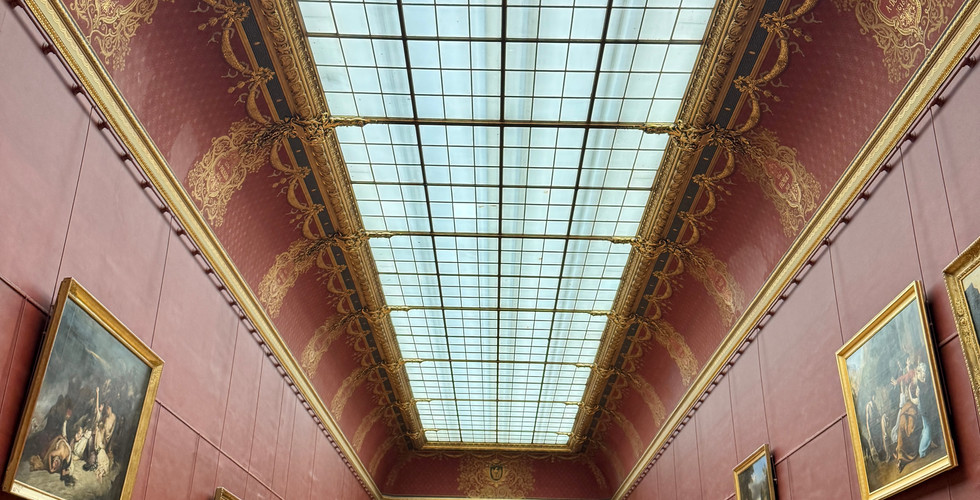




Louvre
75001 Paris, France


Comments